If you have ever wondered what the difference is between an infrared sauna and a traditional one, and whether it actually matters, you are not alone. Both involve heat, both make you sweat, and both leave you feeling genuinely good afterwards. But they work differently, feel different, and suit different goals. Here is what you need to know.
Most people have a picture of a traditional sauna in their heads: wooden benches, hot stones, the hiss of steam when someone pours water on the rocks. That is Finnish-style sauna, and it has been around for thousands of years for good reason.
In a traditional sauna, the air itself gets extremely hot, usually between 70°C and 100°C. Your body heats up because the air around you is hot. It feels intense, enveloping, and immediate. Sessions are typically short, around 10 to 20 minutes at a stretch, because that level of ambient heat is genuinely demanding on the body.
The research behind traditional sauna is extensive. A large Finnish study tracking thousands of people over decades found that those who used a sauna four to seven times per week had significantly better cardiovascular outcomes than those who used one once a week. The heat creates a cardiovascular demand similar to moderate exercise: your heart rate rises, circulation increases, and the body works hard to cool itself down.
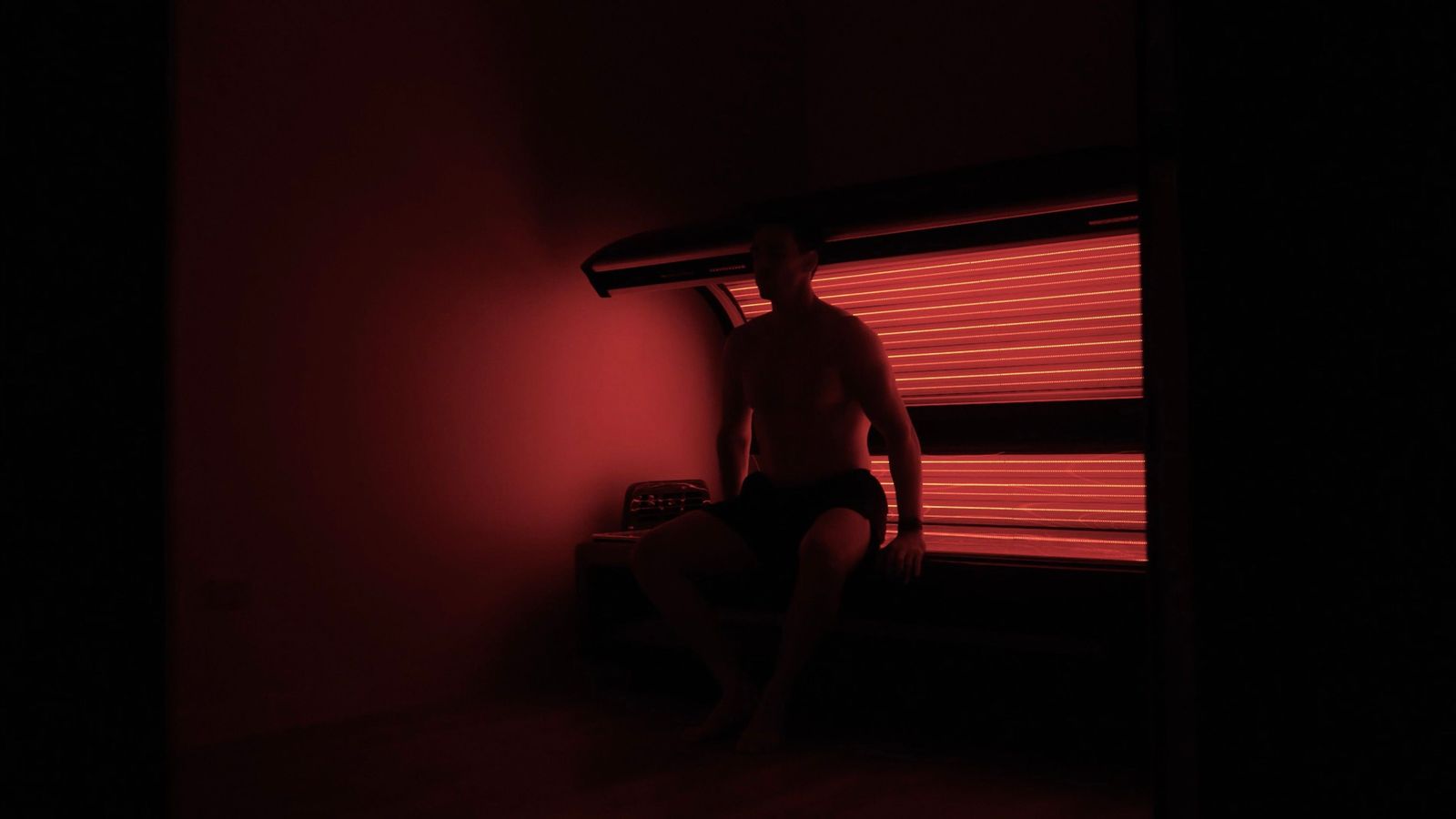
An infrared sauna works completely differently. Instead of heating the air around you, it uses infrared light to heat your body directly. The light penetrates several centimetres into your tissue, warming you from within. The cabin sits at a much more comfortable 45°C to 60°C, which means you can breathe easily, stay longer, and still achieve a deep, genuine sweat.
Many people who find traditional saunas overwhelming discover that infrared feels entirely manageable. The experience is quieter, gentler, and often described as deeply meditative.
The benefits are real and well-documented. A 2018 review in Evidence-Based Complementary and Alternative Medicine found consistent associations between infrared sauna use and reduced fatigue, improved relaxation, and faster recovery after exercise. Because you can sustain a longer session, many people find the cumulative effect more profound than a shorter, hotter traditional session.
Honestly, it depends on what you are after.
If your goal is recovery, relaxation, or building a regular sauna habit, infrared is the more accessible and forgiving starting point. If you love the ritual of high heat and steam, or want the most studied cardiovascular effect, traditional sauna delivers that experience.
At Wellness & Recovery Haus, we offer infrared sauna, and it pairs beautifully with a cold plunge as part of a contrast therapy session.
The first thing most people notice is how manageable the heat feels. You settle in, the warmth builds gradually, and within about ten minutes you are sweating properly. Not because the air is burning your face, but because your core temperature has genuinely risen. Most people find it easier to relax, easier to breathe, and easier to stay present.
Many clients describe it as one of the most genuinely restorative 30 minutes in their week.
Is an infrared sauna as effective as a traditional sauna? Yes, though the experience is different. Infrared achieves comparable core temperature elevation at a lower ambient temperature. The research base for infrared is growing strongly, and for recovery and relaxation purposes the evidence is consistently positive.
How long should I stay in an infrared sauna? Sessions of 30 to 45 minutes are typical. Because the ambient temperature is lower than a traditional sauna, longer sessions are comfortable for most people. Drink water before and during.
Can I use the infrared sauna every day? Many people do. Starting with two to three sessions per week and building from there gives your body time to adapt. Daily use is common among regular sauna practitioners.
Is infrared sauna safe during pregnancy? Sauna use during pregnancy is generally not recommended without medical clearance, particularly in the first trimester. Please speak with your midwife or GP before booking.
Can I combine infrared sauna with other services? Absolutely, and we encourage it. Infrared sauna before massage helps loosen tissue so your therapist can work more effectively. Paired with a cold plunge as contrast therapy, it is one of our most popular recovery combinations.
Ready to experience it for yourself? Book an infrared sauna session at Wellness & Recovery Haus, Shop 8/65 Manning St, Kiama NSW 2533, at https://wellnessrecoveryhaus.floathelm.com/booking