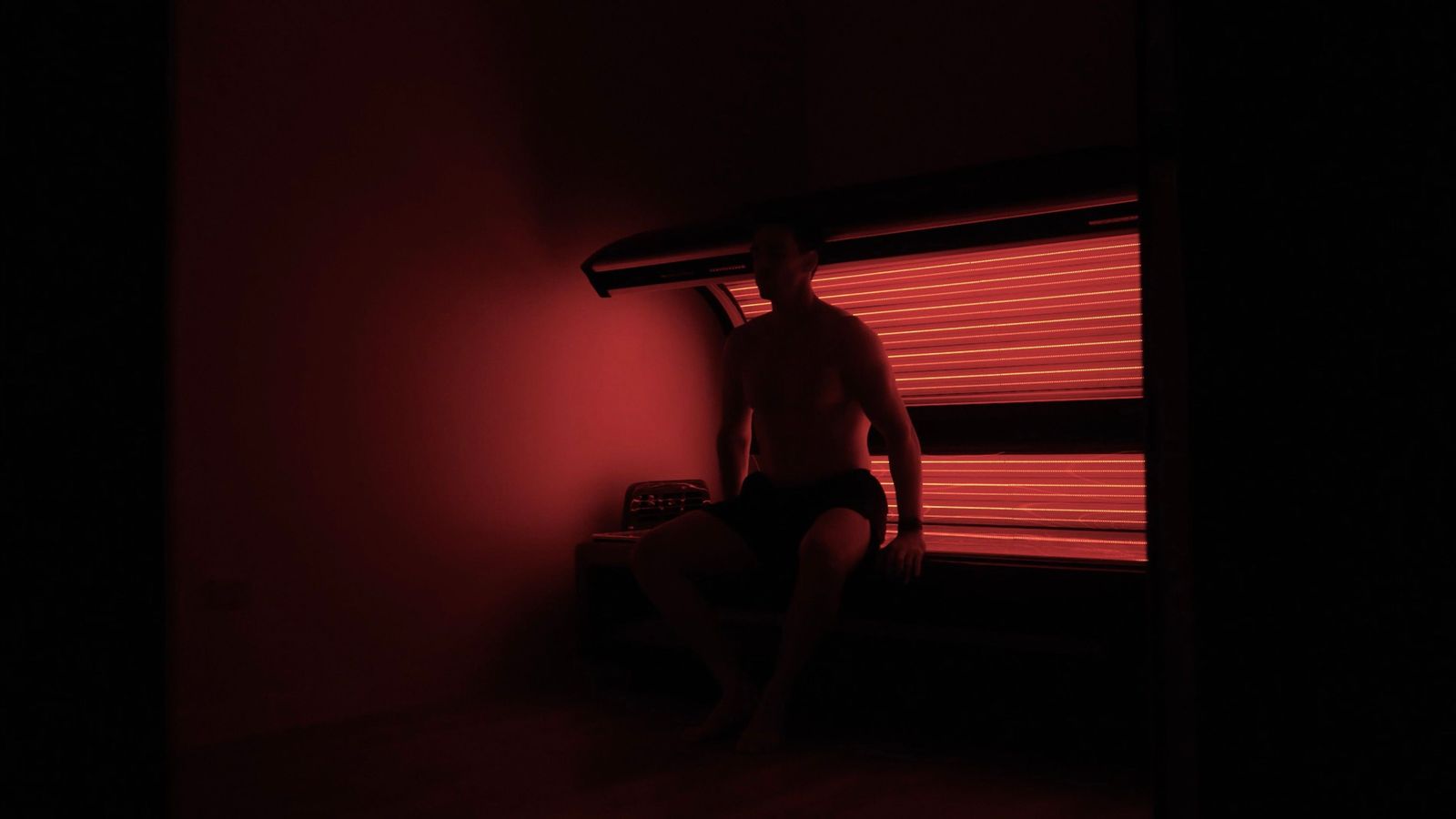
Cold water immersion is one of the most researched recovery tools available. At Wellness & Recovery Haus in Kiama, our cold plunge is chilled using a commercial chiller unit , giving you consistent, controlled temperatures rather than the variable conditions of ocean swimming or home ice baths. Here's what the evidence says, and what to expect when you book.
A cold plunge is a short, deliberate immersion in cold water, typically between 10°C and 15°C, for a duration of 2 to 10 minutes. Unlike ocean swimming, where temperature varies by season and conditions, a commercial cold plunge maintains a consistent water temperature year-round.
The cold plunge at Wellness & Recovery Haus uses circulating, chilled water. This matters: circulating cold water removes the thin layer of warm water that forms around your skin during static immersion, making the exposure more effective at the same temperature.
When you enter cold water, your body responds immediately and predictably.
In the first 30 seconds, blood vessels in your skin and extremities constrict sharply, a process called vasoconstriction. Your heart rate spikes. Breathing accelerates. This is the cold shock response, and it passes within 60 to 90 seconds for most people. The discomfort is real and temporary.
After the initial shock, the body settles. Blood is redirected away from the skin and toward the organs. Core temperature begins to drop slowly. Norepinephrine, a hormone involved in mood, focus, and alertness, rises significantly. Research from the University of Tromsø found that cold water immersion increases norepinephrine by up to 300%, with levels peaking after immersion and remaining elevated for hours afterward.
After you exit, blood rushes back to the periphery as the vessels dilate. This rewarming flush is part of the mechanism behind reduced inflammation and soreness.
A 2016 Cochrane review of 17 randomised trials found that cold water immersion significantly reduced delayed onset muscle soreness (DOMS) compared to passive rest. The effect was most pronounced in the 24 to 96 hours following exercise. For athletes or anyone who trains regularly, cold plunge is one of the fastest ways to reduce the leg heaviness and muscle ache that follow a hard session.
The norepinephrine spike triggered by cold immersion produces a documented mood-lifting effect. Research from Stanford and multiple European institutions supports cold exposure as a tool for increasing dopamine and norepinephrine , both of which contribute to sustained mood, motivation, and focus. Many regular users report a 2 to 4 hour window of heightened mental clarity after a session.
Cold plunge does not eliminate fatigue, it accelerates the clearing of it. By constricting and then dilating blood vessels, cold immersion improves circulation and helps flush metabolic byproducts like lactic acid from muscle tissue more efficiently than passive rest.
Repeated deliberate cold exposure trains the body's stress response system. Controlled discomfort, where you choose to enter an uncomfortable situation and remain calm, builds physiological resilience that transfers to other stressors. This is one reason cold plunge has become a tool for people managing anxiety and high-pressure workloads, not just athletes.
The most effective range for recovery and physiological benefit is 10°C to 15°C.
The cold plunge at Wellness & Recovery Haus operates in the 10°C to 15°C range, cool enough to produce measurable physiological effect without unnecessary risk.
Most research on cold water immersion uses sessions of 2 to 10 minutes. For beginners, 2 to 3 minutes is sufficient to trigger the cold shock response and begin the recovery mechanisms. Staying longer does not proportionally increase benefit, and for most people, 5 minutes produces full effect.
A simple protocol:
Do not attempt to stay in longer than 10 minutes. Extended immersion increases risk of hypothermia and does not produce additional recovery benefit.
Post-exercise recovery, The most effective window is 30 to 60 minutes after training. Avoid cold immersion immediately before strength training, evidence suggests it may blunt the anabolic signalling that drives muscle growth when used within an hour of lifting.
Morning energy and focus, Cold plunge in the morning produces a norepinephrine spike that many users describe as more reliable and longer-lasting than caffeine. Combine with infrared sauna for a contrast therapy session, sauna first, then cold plunge.
Stress management and reset, Cold exposure forces you into the present moment. The deliberate nature of stepping into discomfort and breathing through it has a documented effect on anxiety and perceived stress.
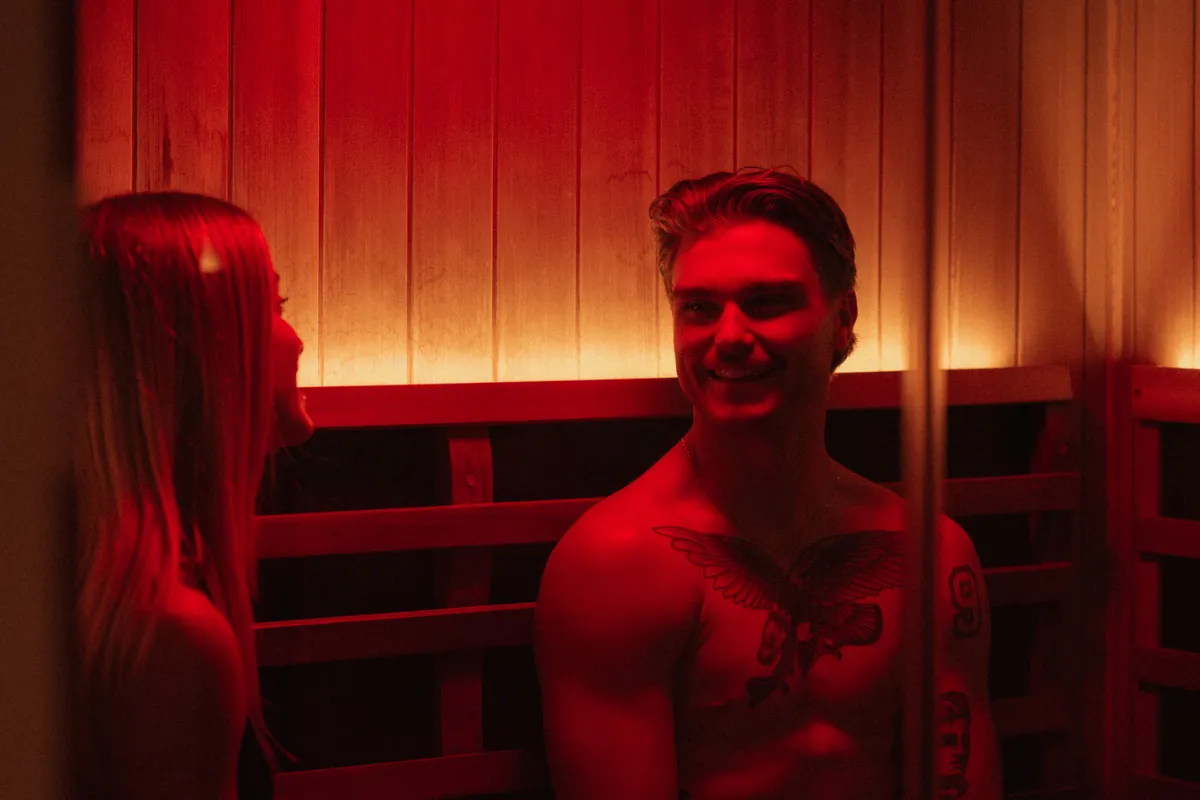
Contrast therapy, infrared sauna followed by cold plunge, is the most popular combination at Wellness & Recovery Haus. Alternating heat and cold cycles amplify the circulatory effect of each individually.
Compression therapy after a cold plunge extends the circulation benefit. The Normatec boots or BOA Max 2 continue to move blood and lymphatic fluid after immersion ends.
Float therapy after a cold plunge produces a particularly deep rest state; the contrast between the acute cold exposure and the warm, weightless float environment accelerates relaxation.
Cold water immersion causes an immediate heart rate spike and blood pressure increase. If you have cardiovascular disease, uncontrolled hypertension, or Raynaud's disease, consult your GP before booking. Cold plunge is not recommended without medical clearance for these conditions.
Two to four times per week is sufficient for most recovery and health goals. Daily cold exposure is used by some practitioners, but there is no evidence of additional benefit beyond daily immersion for most applications.
No. Cold water immersion is not recommended during pregnancy. Speak with your midwife or GP for appropriate alternatives.
Wear a swimsuit or shorts. Towels are available. Shower facilities are on-site. No other equipment is required.
That is normal for first-timers. Even 60 to 90 seconds of genuine cold exposure produces a measurable physiological response. Build up session by session.
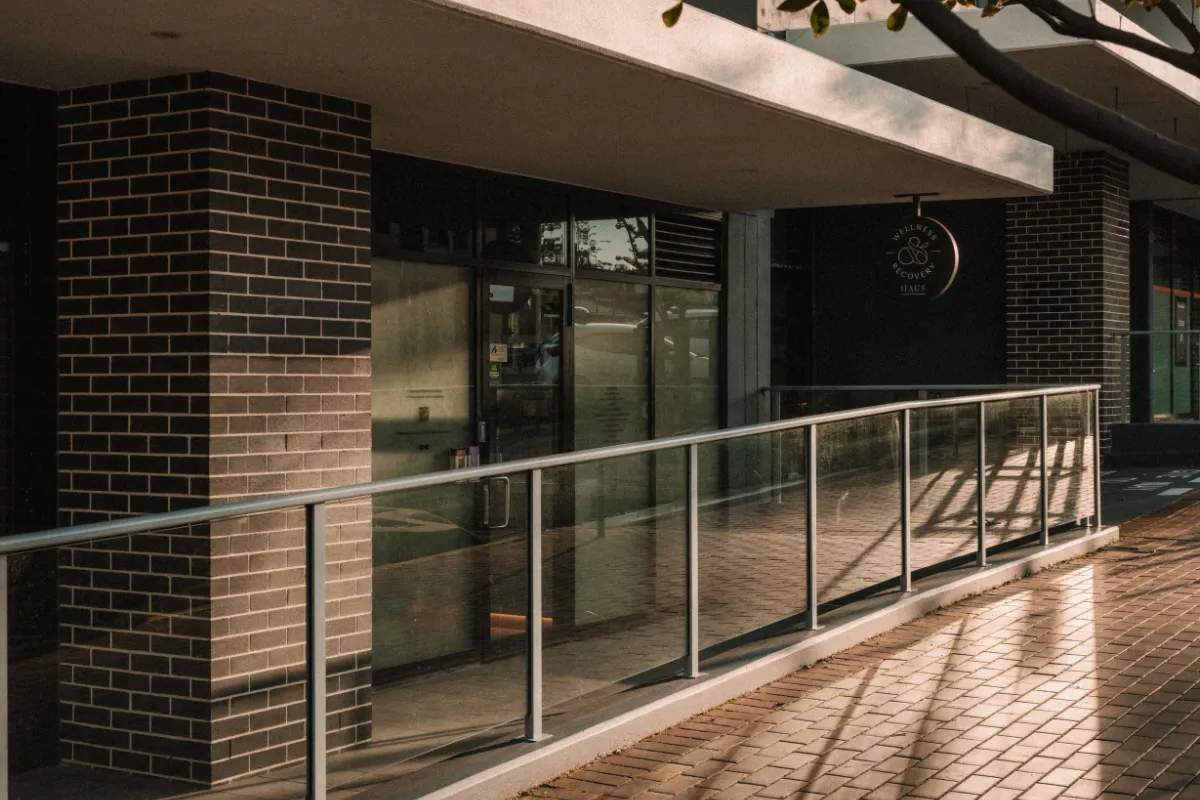
Wellness & Recovery Haus is located at Shop 8/65 Manning St, Kiama NSW 2533
View our Cold Plunge page for full details and pricing.